Reliable storm water and drainage protection for Melbourne homes
MS Roof Plumber is the perfect solution for homes across Melbourne that expel storm water and require drainage services. Proper drainage is the key to preventing water from going near the base of the house, limiting the increase of moisture, and thus, protecting the walls, the paths, and the outdoor spaces. Issues arise when pipes become clogged and old drains can’t handle heavier rains in many houses. Water, therefore, becomes trapped in the yard, moves towards the house, or flows underneath the slab. Such issues increase rapidly if the problem is overlooked. A house with inadequate drainage might present you with slow runoff areas, damp soil near the walls, or stains along the paths. Repairing these defects at the earliest stage not only strengthens the site but also eliminates the possibility of extension damage. Our storm water work aims to restore clean flow, renew worn parts, and make the system ready for rain in every season.
Why storm water systems fail over time?
Many homes deal with storm water faults due to blocked pipes, old fittings, bad ground fall, or poor setup from past work. Heavy rain can force leaves, soil, and small waste into the drains, which acts to slow the water. As the flow slows, more waste collects, and the pipe stops moving water. In some yards, the soil shifts and lowers the pipes. When this happens, water stays in one place and never drains well. Old clay pipes crack with age, which lets tree roots enter. This leads to more blockages and uneven flow during rain. Storm water parts on older homes also suffer due to past repairs that didn’t match the right level or size. Each home has a different layout and soil type, and this affects how the system should run. When a drainage line fails, it often shows early signs like wet grass, smells from pits, or dark marks on ground edges.
How a strong storm water design keeps your home dry?
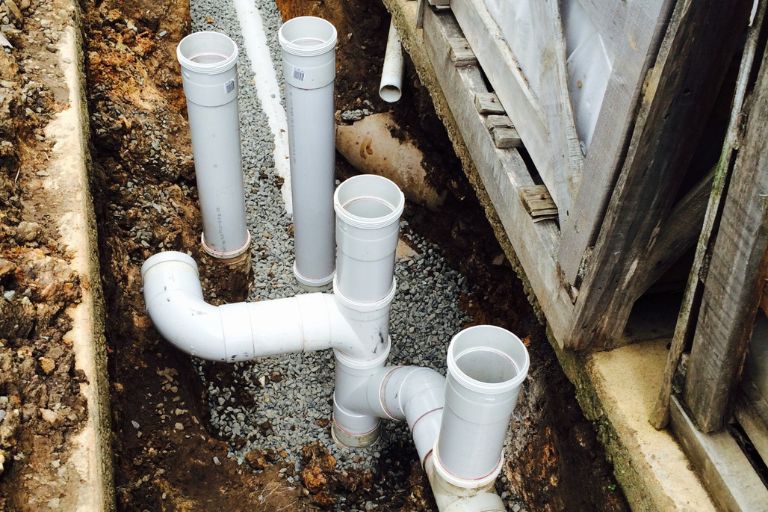
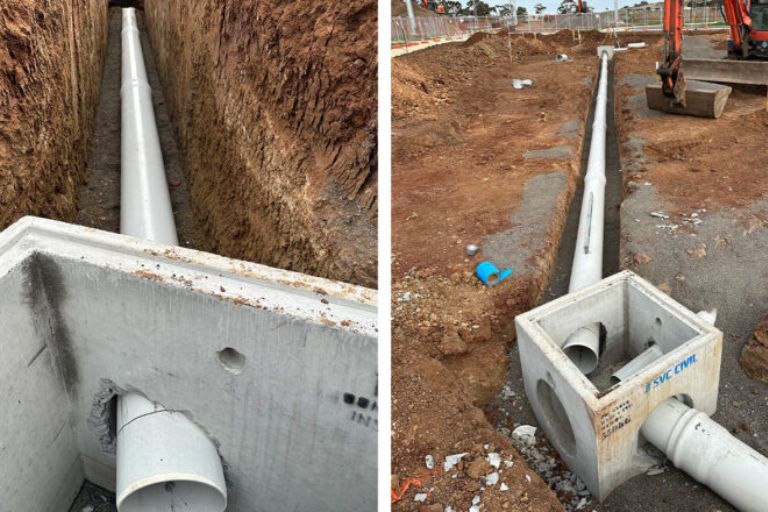
A good storm water setup moves water away from the house fast and clean. The fall of the pipe, the size of the pits, and the line of the drains all matter. A strong design makes sure rain from the roof and ground area goes into the pits and then into the main line without delay. The most efficient setups have the piping that is equal in size to the roof area so that there is no water returning during heavy rain. Surface drains are used to collect water which pools on walks or in dips, while underground drains take water to the correct place. When all the different parts work as a unit, the house remains dry and strong. A well-built line also cuts the load on the yard, reduces soil wash-outs, and keeps the space safe for long-term use. This kind of setup helps the home stand strong through rain-heavy seasons in Melbourne.
Our work process for storm water and drainage
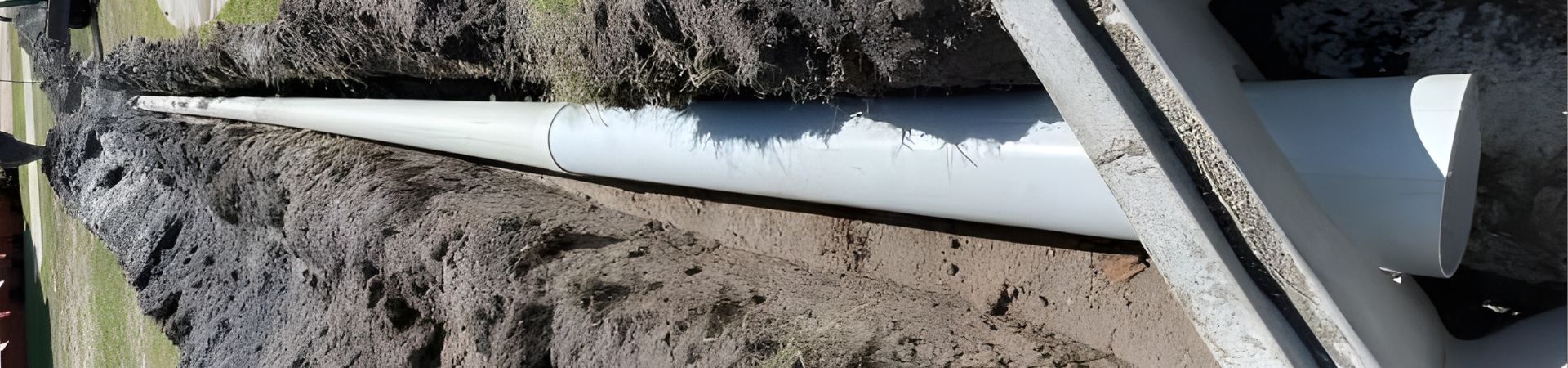
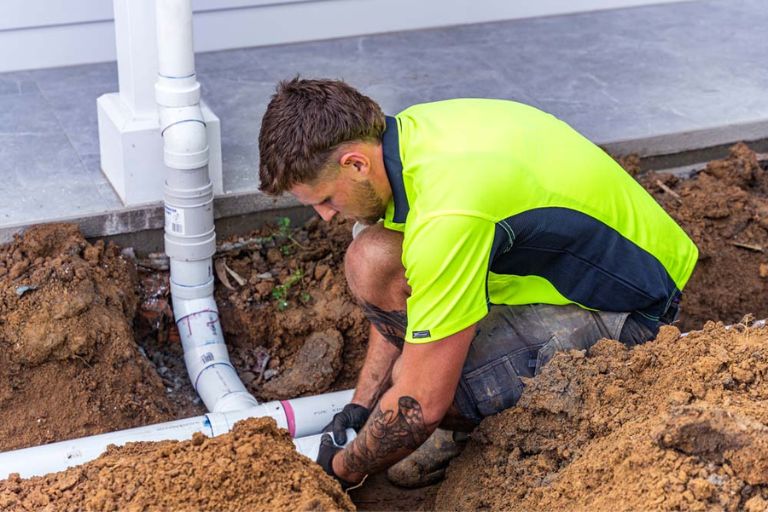
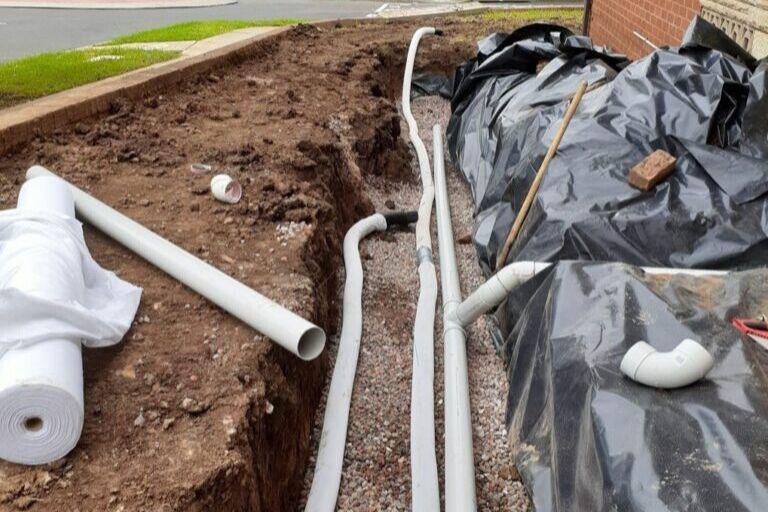
We start with a clear check of the site to see how water moves across the ground. This helps us find points where flow slows or turns the wrong way. We look at pits, downpipes, and the main storm water line to see if there are cracks or blockages. Once we find the cause, we choose the right fix based on the layout of the home. Sometimes the work needs a full pipe replacement, and sometimes it needs only a small section replaced. We also check the soil depth and ground fall so the new parts sit at the right height. When fitting new drains, we keep the layout simple, clean, and safe for long-term flow. After the work, we test the line with clean water to make sure the system moves well and does not leak. We are here to help you set up a visible and easy path for rainwater so that the house remains dry even during heavy downpours.
How to keep your drainage system durable and reliable
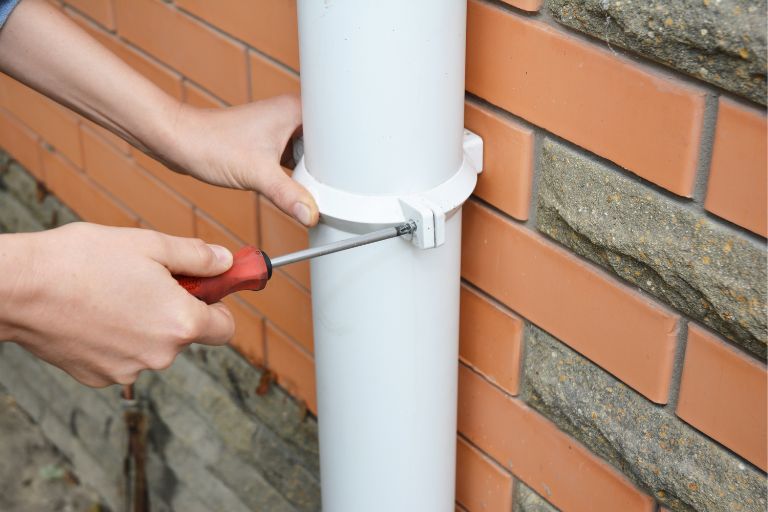
By performing simple checks after rain, homeowners can prevent a lot of issues. Take a walk around the yard and find out if water pools for a long time in some places. Check downpipes and pits after a storm to see if they are free. In case water flows very slowly or it backs up, it might be time for a drain inspection. The majority of storm water systems require cleaning so as to remove leaves and dirt before the rainy season. A neat line makes it easier for water to flow to the street quickly and thus the house is less under pressure. Besides that, you can look at the condition of the area around walls for instance and check if the soil is soft, the pavers are loose or if there is a smell of moisture near the pits. Such signs can indicate that there is a bigger problem. When the storm water line is kept in good shape, the home stays safe, and the soil stays firm.
Why Melbourne homes need strong drainage?
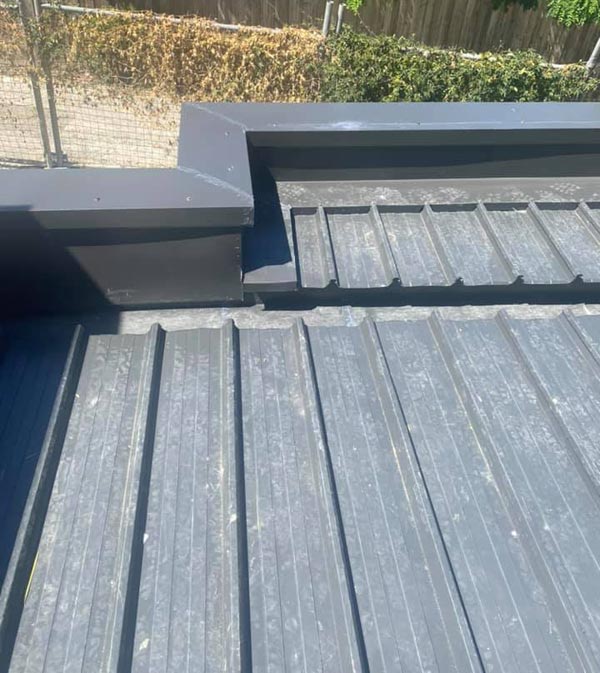
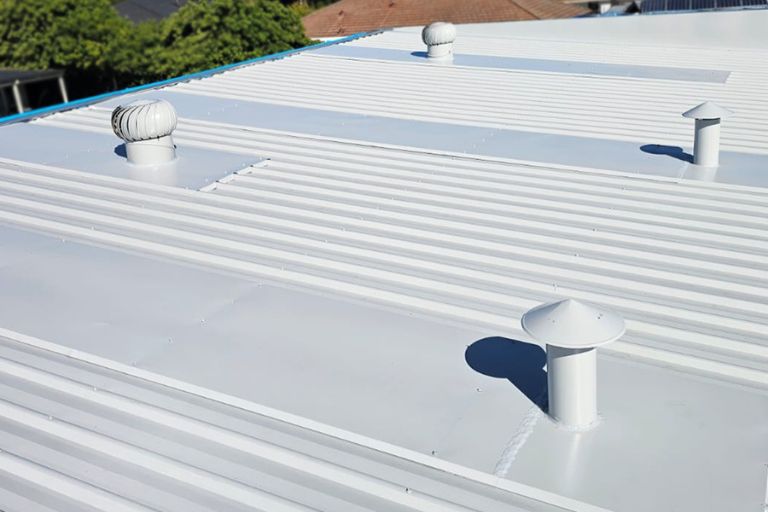
Storms in Melbourne can bring short, heavy bursts of rain. Homes with weak drains struggle to move this water in time. This puts stress on the ground around the house and can lead to soil movement. When soil shifts, paths crack, and water moves toward the lower side of the home. Good drainage protects the house from this risk. A strong storm water system also supports outdoor areas by keeping the lawn dry and safe to walk on. In many homes, the drainage line links to roof work, so both need to function together. The right setup helps keep the home stable, which lowers future repair costs and keeps the site safe.